I told this story on LinkedIn in three parts. It gathered over 150k organic impressions. The story is fiction. The lessons aren't.
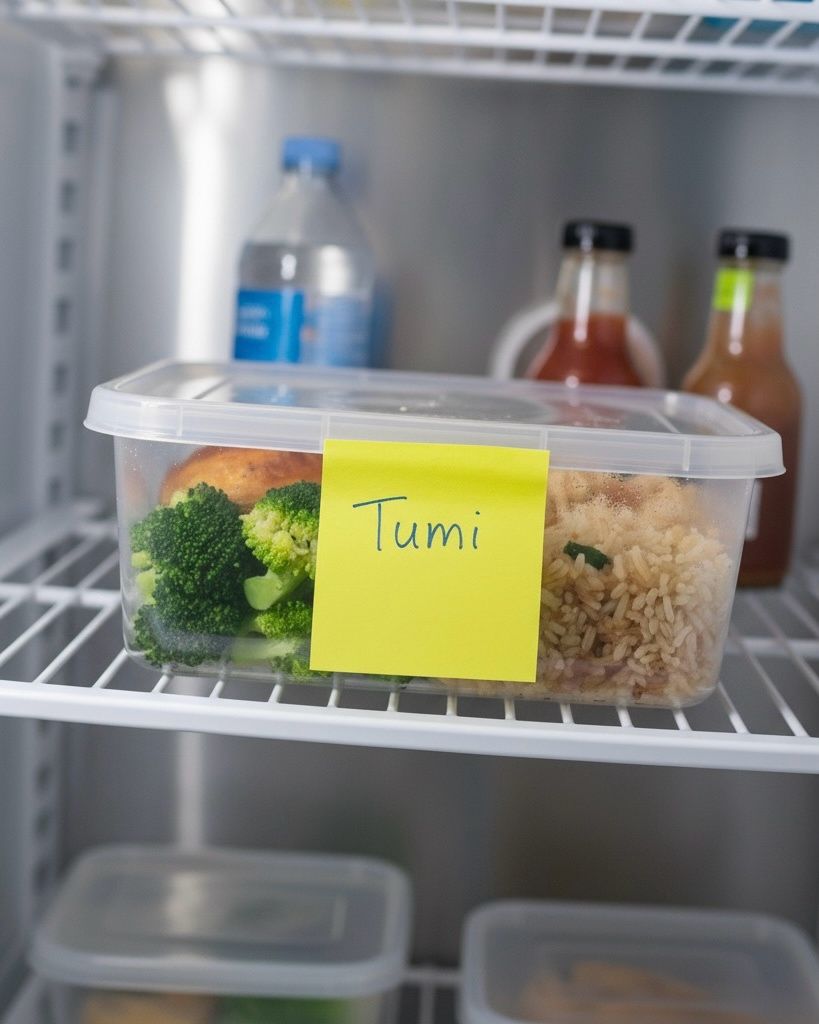
Found a brand called "Tumi" in the office fridge. Every day, the same tasty, unmistakable meal, packaged in a see-through lunchbox, closed with a sticky note in a font and colour so consistent you could spot it from across the kitchen.
The opening is already the first lesson. You recognise a brand through context. The fridge is the world food lives in, and Tumi is a popular South African name. A name on a lunch isn't something that gets mistaken for someone else's, so the brand is established the moment you open the door.
Other people tried to outdo Tumi by hiding it at the back of the fridge. Didn't matter. I still hunted it down. Tasty meals every day meant repeated theft. The product was doing its job.
The lunchbox, the see-through lid, the sticky note: that's the whole description of the brand, and none of it is a logo. Packaging consistency goes beyond the logo.
Then came the labels: "Do not touch!", "DO NOT TOUCH!", and, my personal favourite, "STOP EATING MY LUNCH!" Escalating tone, same handwriting. Still unmistakably Tumi.
Type carries recognition where the logo isn't. The labels never needed the name. The handwriting said it.
Then the lunch bag came with a padlock, and not long after, Tumi disappeared from the fridge. I haven't seen it since.
One of my coworkers, T, kept carrying a knock-off. Same lunch bag, none of the branding. Nobody looked twice.
That's the T situation. If your icon or logo isn't fully tied to your wordmark, you can lose out on owning what's yours. The bag, the box and the note can be copied, and nothing on them says whose they were.
Then HR called. Something about "contempt." I saw the words "will be held" in the calendar invite and accepted before reading the rest.
Turns out all I'd done was "acquire a product, first come first serve." Apparently that's called theft in some industries. Fair. But the real update came after the meeting. On the other side of the building, Tumi's fridge had turned into a shelf backing a few smaller, unbranded lunches. No badge anywhere. Didn't need one. The visual language alone made the introduction.
Recognition without the name is the goal. Ownership through the name is the protection. A lunchbox needs both.
The Tumi story is fictional. The branding lesson isn't.